Blog
How to solve a mini crossword and arrow-word puzzles, step by step
A mini crossword is quick to finish once you know the habits that experienced solvers use. This guide explains how classic and arrow-word grids differ, how to read clues, how to use crossings, when to use pencil, hints and reveal, and how to build a daily routine, with a worked example.
6 min readUpdated By PlayNest team
Mini crossword or arrow word: what is the difference
A classic crossword is a grid of white and black squares. The black squares separate the words, a number marks the start of each answer, and the clues are listed beside the grid under Across and Down. A mini crossword is the same thing on a small grid, usually 5x5 up to about 9x9, built for a few minutes of play rather than an evening.
An arrow word, called mots fléchés in French, Schwedenrätsel or Kreuzworträtsel in German, autodefinido in Spanish and Swedish-style grids elsewhere, has no list of clues at all. The clue is written inside the grid, in a square that would be black in a classic puzzle, and an arrow shows where the answer begins and which way it runs. Because the clues use up squares, an arrow word has almost no black squares and every letter usually lies in two answers.
Both kinds are in our Mini Crossword: the classic grids come in 5x5, 7x7 and 9x9, and the arrow grids in 5x5 to 8x8.
Reading a clue properly
Every clue tells you three things: the meaning, the length of the answer and sometimes a hint about its form. In the game the clue bar shows the clue and the number of letters. Start there before you type anything.
Clues come in a few familiar shapes. A definition (Large grey animal with a trunk) gives you the meaning outright. A synonym (Jumper) asks for another word with the same sense. A fill-in-the-blank (___ cake) gives you a word that goes with the one in the clue. An opposite (Opposite of down) asks for the reverse. A clue with a question mark or a pun usually wants a lateral answer rather than the literal one.
Match the form as well as the meaning. A clue in the plural wants a plural answer, usually ending in S. A clue in the past tense wants a past tense answer, usually ending in ED. A clue with an abbreviation in it usually has an abbreviation as its answer.
Start where you are sure
Skim the whole clue list once, and fill in only the answers you are certain of. Fill-in-the-blank clues and short answers of three or four letters are usually the safest. Each letter you place becomes a free clue for the answer it crosses, so a few confident entries can open up a whole corner of the grid.
Do not commit to a guess you are only half sure of. If an answer feels right but one letter conflicts with a crossing word, one of them is wrong, and it is quicker to find out now than after you have built five more answers on top of it. This is where pencil mode is useful: write the guess in grey and let the crossings confirm it.
A worked example
Suppose a 5x5 grid has the clue 1 Across: Cup of ___ (3 letters). You think of TEA straight away. Down from the T is 1 Down: Bath cloth (5 letters), and the first letter T fits TOWEL. Down from the A is 2 Down: Breezy (4 letters). That one is harder, but you now know the first letter is A.
You have turned one easy clue into two crossing letters. Next you look at 4 Across, a 5-letter answer starting with the third letter of TOWEL, which is W: Dictionary items. You think WORDS. That gives you the R, which is the third letter of the answer to 2 Down, A_R_, and with that pattern AIRY is easy to see. This chain of one answer feeding the next is how almost every crossword is solved.
Tip
When two clues in a row feel impossible, stop and find a third clue, even a boring short one. A single extra letter often turns an impossible clue into an obvious one.
Using crossings and patterns
Once a few letters are in, the pattern becomes the clue. A 6-letter answer with the pattern _A__ER narrows to words such as BANKER or LADDER or WAITER, and the meaning of the clue picks between them. Say the pattern out loud or write it out: it is easier to see the word with the gaps visible.
Common word endings help a lot. Look for -ER, -ED, -ING, -LY and -S at the ends of answers, and for common starts like RE-, UN- and OVER-. In an arrow word, where almost every letter is checked twice, a single wrong letter shows up quickly because the crossing word stops making sense.
Pencil, hint, check and reveal
The tools in the game are there to be used, with one rule of thumb: use the lightest help that gets you moving.
- Pencil: write a guess in grey italic. Use it whenever you are under about 80 percent sure.
- Hint: reveals one letter of the current word. Good for getting unstuck without giving the whole answer away.
- Check: marks wrong letters red for the letter, the word or the whole puzzle. Useful when the grid feels wrong but you cannot see where.
- Reveal: fills in the right letters. Use it for the last stubborn clue, or when you just want to see the answer and learn from it.
A daily routine
The best way to get faster is to solve one puzzle a day. The daily mini is a 5x5 that takes a few minutes, which makes it a good morning habit. Early on, aim for finishing rather than speed, and use hints without guilt. After a couple of weeks you will notice the same words turning up again and again, such as short crossword favourites made of common letters, and you will start to fill them in on sight.
When you want a bigger challenge, move up a size or try arrow words, where the clues sit in the grid and every letter has two chances to be confirmed. Only a solve without hints or reveals counts for best times, so you can improve against your own record. Typing quickly also helps on a keyboard, and our typing plan shows how.
Crosswords and word-guessing games
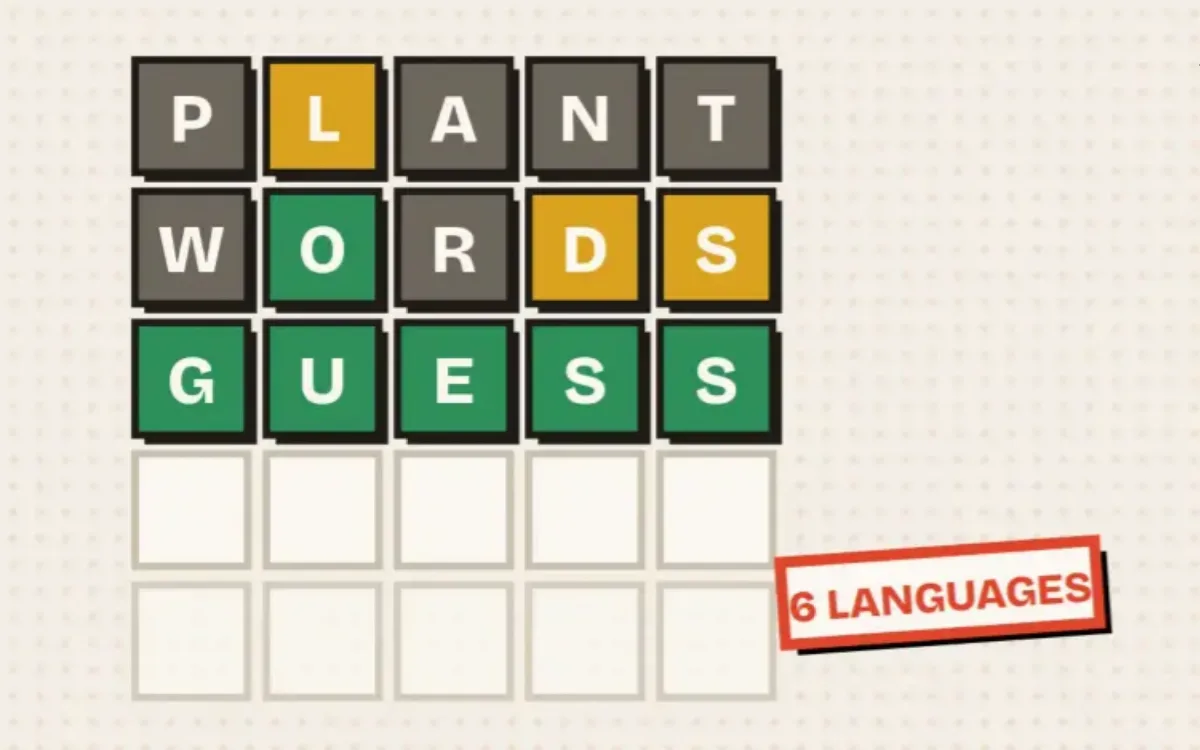
Crosswords and Wordle-style games train different muscles. A crossword rewards vocabulary and lateral thinking: you work from a clue to a word. A word-guessing game rewards logic: you work from letter feedback to a word. If you enjoy one you will probably like the other, and our Word Guess strategy guide covers the second one in the same way.
Questions people ask
- What is the difference between a mini crossword and a regular crossword?
- A mini crossword uses a small grid, usually 5x5 to 9x9, with shorter words and plainer clues, so it can be finished in a few minutes instead of an evening.
- What is an arrow-word puzzle?
- A crossword with the clues written inside the grid and arrows showing where each answer starts and which way it goes. In French it is mots fléchés, in German Schwedenrätsel or Kreuzworträtsel.
- What should I do when I am stuck?
- Move to another clue, especially a short one, and let crossing letters help. If you are still stuck, use Hint for one letter, or Check to see whether a wrong letter is blocking you.
- Does using hints stop me getting a good time?
- Hints and reveals are allowed, but a solve with help does not count for best times, so your record stays fair. Try the Mini Crossword without help when you want a score to beat.