Rules
Nine Men's Morris rules and winning strategy
Nine Men's Morris, known as Mühle in German and Moulin in French, is a short-to-learn, long-to-master game of mills. This guide covers the rules of Three, Six, Nine and Twelve Men's Morris, how the placing, moving and flying phases differ, how games are drawn, and the plans that win.
10 min readUpdated By PlayNest team
What is Nine Men's Morris?
Nine Men's Morris is a two-player strategy game on a board of 24 points, laid out as three squares inside one another and joined by four lines across the middle of the sides. Each player has nine men. The aim is to form mills, rows of three of your own men on a line, and every mill lets you remove one of your opponent's men until they cannot fight on.
The game has many names. Germans say Mühle, which simply means mill, the French say Moulin or jeu du moulin, and in English you will also find Mill, Merels, Merrills and, in the United States, Cowboy checkers. Searching for Mühle spielen or Nine Men's Morris online leads to the same game. You can try everything in this guide in our free Nine Men's Morris, against the computer, with a friend on one screen or online through a room link.
The three phases: placing, moving and flying
A game of Nine Men's Morris moves through three phases, and the best plan is different in each one.
In the placing phase, players take turns putting a man from their hand onto any empty point. Nobody moves a man yet. Nine men each means eighteen placements, and a lot of the game is already decided by the time they are done, because the shape of your men decides how freely you can move later.
In the moving phase, which begins once all men are placed, you slide one man per turn along a line to an empty neighbouring point. You cannot jump over other men or skip points. This is where blocking and mobility become the main themes.
In the flying phase, a player who is down to exactly three men may move any one man to any empty point on the board. Flying exists in Nine and Twelve Men's Morris. Six Men's Morris and Three Men's Morris have no flying, and men there only ever slide.
How do mills and removals work?
A mill is three of your men on one line. You can form one by placing a man in the placing phase, or by sliding or flying a man in the later phases. The moment a mill is closed, you remove one enemy man from the board.
You may only take a man that is not part of an enemy mill. The exception is when every enemy man is in a mill, and then any of them may be taken. Because of this, a mill is also a shield, and it is worth thinking about which of your own men are protected before you start trading.
An old mill can be opened and closed again. If you slide a man out of a mill and back in on a later turn, you have formed a mill again, and you remove another man. This opening and closing is the engine behind most winning attacks.
Tip
Before you remove a man, look for the one that blocks your next mill or breaks the opponent's best threat. That is almost always better than taking a random man.
How do you win, and when is it a draw?
You win when your opponent is reduced to two men, since two men can never make a mill, or when they have no legal move on their turn. Being blocked in is a real way to lose, even with six or seven men left on the board.
A game is drawn in two cases. If the same position, with the same side to move, occurs for the third time, the game is a draw by threefold repetition. And if 100 plies, single moves by either side, pass without a mill after all men have been placed, the game is a draw too. In Twelve Men's Morris a completely full board is also a draw. These rules stop endless shuffling and give the defending side a way to hold a worse position.
What are Three, Six and Twelve Men's Morris?
Morris is a family of games on the same idea, and each member has its own character.
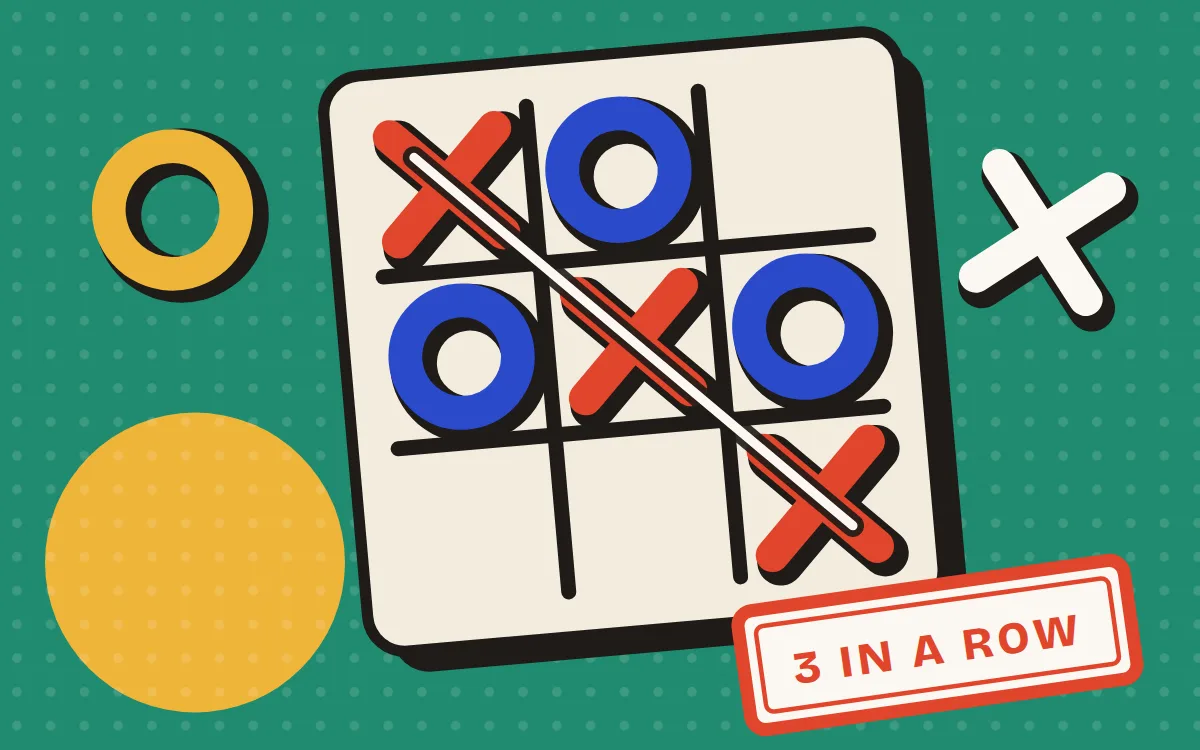
- Three Men's Morris: the shortest game. Each side has three men, there is no removal, and the first mill wins at once. It is closer to tic-tac-toe than to Nine Men's Morris, but sliding makes it richer. See the Tic Tac Toe strategy guide for the same habit of blocking and forking.
- Six Men's Morris: a smaller board with two squares and six men each. You place and then slide, mills remove men, and nobody flies. Games are quick, and a single mistake in placing is often decisive.
- Nine Men's Morris: the standard game, with all three phases. It is the one most books and tournaments cover.
- Twelve Men's Morris: the same 24 points as Nine but with diagonal lines added, so there are 20 possible mills, and twelve men each. Because 24 men fit on 24 points, the board can fill up completely, and in that case the game is a draw. Flying applies when a side is down to three men.
Tip
If you are new, start with Three Men's Morris to learn how mills work, then move to Six, and then to Nine.
Opening strategy: how should you place your men?
The common beginner mistake is to race for the first mill. A quick mill gets you a capture, but it often leaves your men stuck in a corner of the board with nowhere to slide, and that is how many early leads are lost.
Instead, aim for mobility. Points on the middle square that connect to the other squares have four neighbours, so a man there has the most choices. Corner points have only two neighbours and are easy to block. A good rule is to take the cross points first, keep your men spread across all three squares, and avoid putting your men in a tight cluster.
Block when you must, and when you can do it for free. If your opponent has two men on a line with the third point empty, take that point at once, unless you can close a mill of your own first. Every blocking man should ideally also help one of your own lines, so your defence doubles as an attack.
Watch for forks. A fork is a placement that creates two different open lines, each needing one more man. Your opponent can only block one of them, so you close a mill on the next turn. Setting up a fork while you stop theirs is the sharpest idea in the placing phase.
Middlegame strategy: mobility and the running mill
Once placing ends, count empty neighbours. The side with more free moves usually has the better game, and a side that runs out of moves loses outright. Aim to leave your opponent's men boxed in while keeping at least one safe move of your own.
The strongest weapon in this phase is the running mill, also called a double mill or Zwickmühle in German. It is a shape in which one man shuttles between two lines. When it sits on one line, it completes a mill there, and when it slides across to the other, it completes a mill on the second line. Every move closes a mill, so you take a man every turn.
To build a running mill, look for two of your mills or near-mills that touch at neighbouring points, with a single man able to step between them. To stop one, occupy the gap point, capture the key man, or force a trade before the shape is ready. If you see your opponent preparing one, treat it as the highest priority threat on the board.
Another useful pattern is the open mill that you can close only when you choose. If you hold a mill and the neighbouring point is empty, your opponent must keep a man ready to occupy it, which ties them down. This pins part of their army while the rest of yours is free.
Tip
Before every move in the moving phase, ask two questions: what can my opponent close next turn, and which of my men would be left with no moves?
Endgame strategy: three men and flying
The endgame is where the flying rule changes everything. A side with three men can jump anywhere, so every empty point is a possible threat. The side with more men needs a precise plan, and many games are drawn or even lost here by players who rushed.
If you have the advantage, do not take the last man too soon. First arrange your men so that you threaten two mills at once. A flying player can block only one, and then your next move closes the other. Also check that your remaining men cannot be blocked, since a blocked player loses even when they are ahead.
If you are the one with three men, flight is your defence. Keep your men away from lines where the opponent already has two, and try to make a mill threat yourself on every turn so that your opponent must respond. Often the best chance for the weaker side is a draw by repetition or by the 100-ply rule, so keep the game going without making a fatal mistake.
How should you train against the computer?
Our computer has three levels. Easy is gentle and misses threats, so it is ideal while you are learning mills and blocking. Medium looks several moves ahead and punishes obvious mistakes. Hard uses alpha-beta search with endgame handling, and it runs in a Web Worker so the page stays smooth while it thinks.
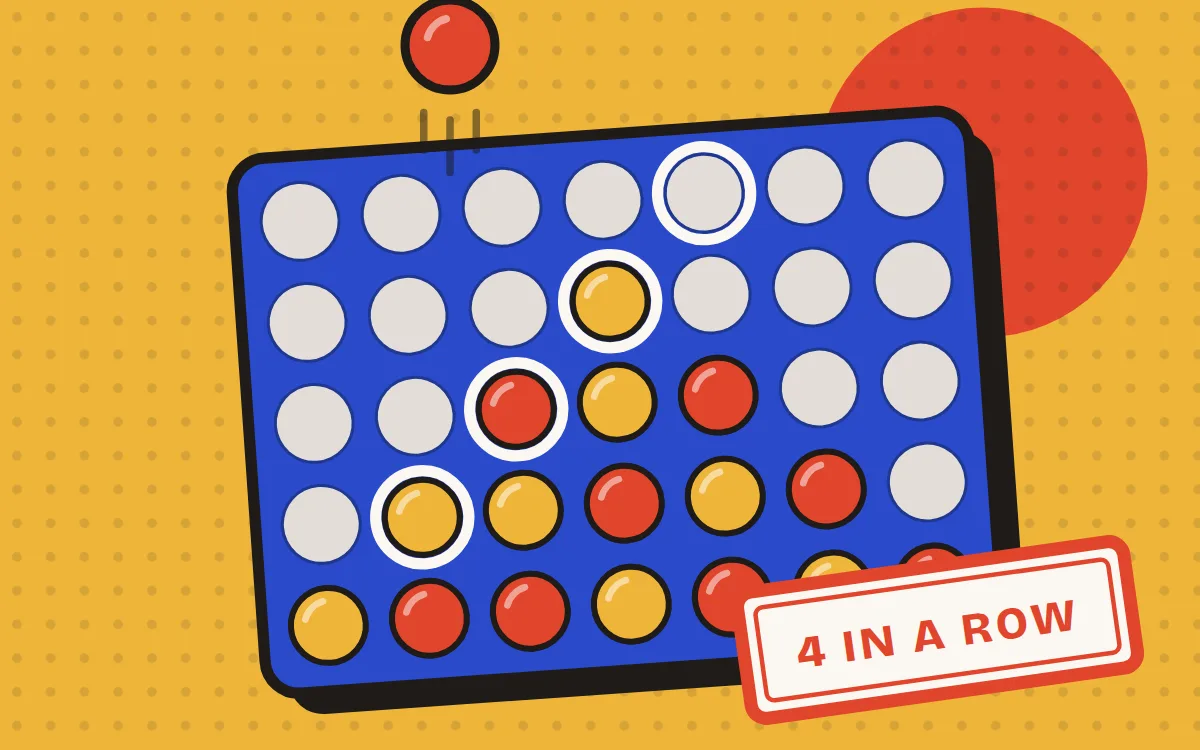
A good routine is to start on Medium, turn on the best-move hint when you are unsure, and use undo to study a mistake right after it happens. Then replay the same opening and try something different. Once you can beat Medium consistently with a running mill, move up to Hard and aim first for a draw, then for a win. For a feel of the same ideas in another game, the opening ideas in chess opening principles are a good companion, and how to win Connect Four trains the same blocking and forking habits.
Common mistakes to avoid
Almost every beginner makes the same handful of errors. Avoiding them is the quickest way to improve.
- Rushing a mill early and then getting boxed in with no moves.
- Putting men on corners just because they feel safe, when they are actually the easiest points to block.
- Ignoring the opponent's two-in-a-row because you are busy with your own plan.
- Removing a random man instead of the one that breaks the opponent's best threat.
- Taking an opponent down to three men without checking that they cannot fly into a mill.
- Forgetting the draw rules, and so allowing threefold repetition when you are ahead.
Questions people ask
- How many men does each player have in Nine Men's Morris?
- In the standard game each player has nine men. They start in hand and are placed one per turn during the placing phase. The other variants use different numbers: Three Men's Morris has three men each, Six Men's Morris has six, and Twelve Men's Morris has twelve. The player who is reduced to two men loses.
- When is flying allowed in Nine Men's Morris?
- A player may fly when they have exactly three men left. A flying man can move to any empty point on the board rather than sliding to a neighbouring point. Flying applies in Nine and Twelve Men's Morris, but not in Six Men's Morris or Three Men's Morris, where men only ever slide along lines.
- Can I remove a man that is in a mill?
- Normally you cannot. When you close a mill you must remove an enemy man that is not part of a mill. The only exception is when every enemy man is in a mill, in which case you may take any of them. Three Men's Morris has no removal, because the first mill wins.
- How does a game of Nine Men's Morris end in a draw?
- There are two main ways. The first is threefold repetition, when the same position with the same side to move appears for the third time. The second is 100 plies without a mill after all men have been placed. In Twelve Men's Morris a completely full board is also a draw, since nobody can move.
- Can I play Nine Men's Morris free online with a friend?
- Yes. In our Nine Men's Morris you can create a room and share the link with a friend to play from separate devices, or pass one screen back and forth. You can also play the computer on Easy, Medium or Hard. It is free in the browser, with no account needed.